
Derila Ergo Pillow For Sleep Apnea | Advanced Ergonomic Sleep Solution
- Author: Karen Watson
- Last Updated -September 27, 2025
- Fact Checked
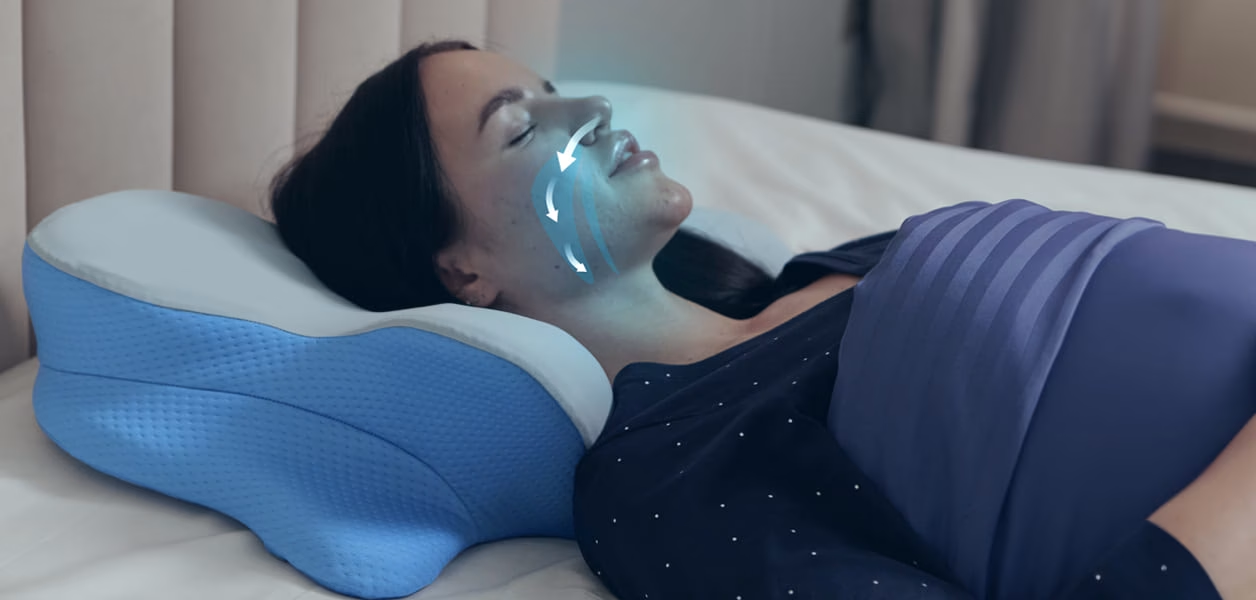
Introduction: Why Pillows Matter in Sleep Apnea
Sleep apnea is a condition that affects millions worldwide, causing interrupted breathing during sleep. This disruption doesn’t just impact rest; it influences cardiovascular health, cognitive performance, and overall well-being. While treatments such as CPAP therapy are standard, supportive sleep products like ergonomically designed pillows can make a significant difference in managing symptoms.
The Derila Ergo Pillow for Sleep Apnea represents an innovation in sleep technology. Unlike traditional pillows that focus solely on comfort, Derila Ergo integrates ergonomic alignment, pressure relief, and cooling technology, all designed to reduce airway obstruction and improve sleep quality.
This article explores why the Derila Ergo Pillow is gaining attention as a supportive solution for people struggling with sleep apnea.
What Makes Derila Ergo Different?
1. Advanced Ergonomic Design
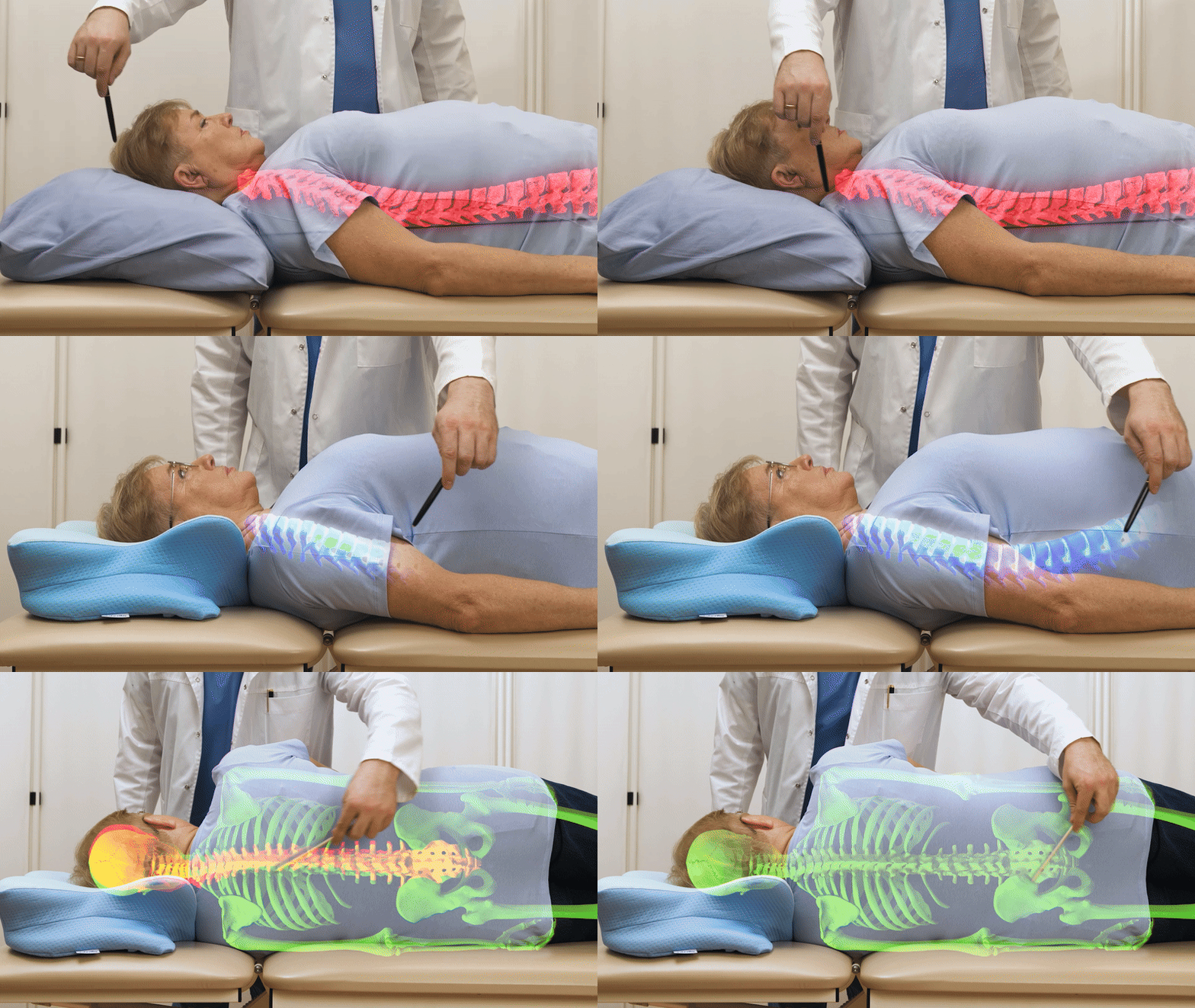
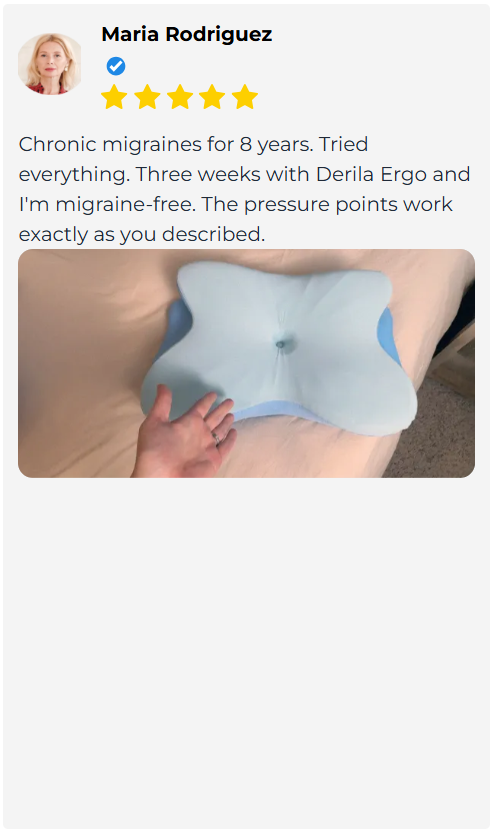
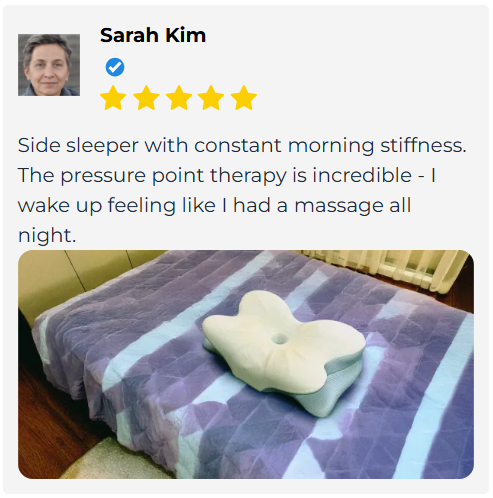
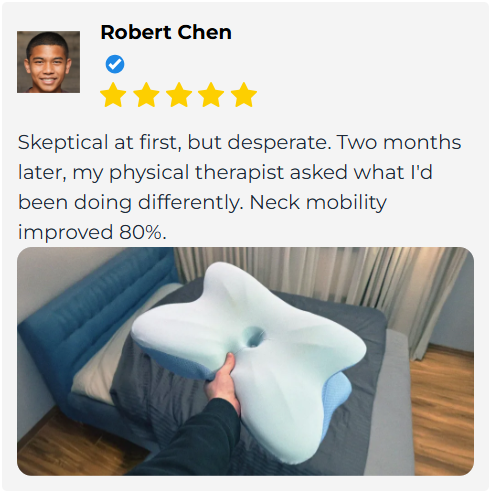
The Derila Ergo Pillow uses a butterfly-shaped ergonomic structure that naturally aligns the head, neck, and shoulders. This positioning helps maintain an open airway, reducing the likelihood of airway collapse—a key factor in obstructive sleep apnea.
Standard pillows often elevate the head too high or too low.
The Derila Ergo keeps the neck at a neutral angle, minimizing strain and encouraging proper breathing alignment.
2. Strategic Support Zones
The pillow isn’t uniform. Instead, it’s engineered with zones for optimal head cradling and neck stability. These zones reduce rolling during sleep, keeping the user in healthier sleep positions, such as back or side sleeping—positions generally recommended for individuals with sleep apnea.
3. Cooling Technology
Overheating can exacerbate sleep disruption. The Derila Ergo incorporates breathable, cooling materials that regulate temperature, ensuring users don’t wake up sweaty or restless. Cooler sleep is strongly linked to deeper, more restorative rest.
4. Memory Foam Adaptability
The pillow is constructed from premium adaptive memory foam, which molds to the individual’s unique contours. This personalized fit not only boosts comfort but also ensures consistent support night after night.
Benefits of Using Derila Ergo Pillow For Sleep Apnea
Improved Breathing at Night – Keeps airways more open through proper alignment.
Reduced Snoring – Snoring is often caused by airway obstruction; the pillow’s design can minimize this.
Fewer Nighttime Awakenings – By supporting steady breathing and comfort, users may wake less frequently.
Better Morning Energy – Enhanced sleep quality often translates into improved daytime alertness and reduced fatigue.
Neck and Shoulder Pain Relief – The ergonomic shape eases tension and discomfort, contributing to overall sleep quality.
Real-World Applications: Who Can Benefit Most?
Sleep Apnea Patients – Particularly those with mild to moderate obstructive sleep apnea.
Snorers – Even without diagnosed sleep apnea, people struggling with loud snoring may find relief.
Chronic Neck Pain Sufferers – Ergonomic support improves spinal health.
Shift Workers and High-Stress Sleepers – The cooling and adaptive features help reduce tossing and turning.
How Derila Ergo Compares To Standard Pillows
| Feature | Standard Pillows | Derila Ergo Pillow For Sleep Apnea |
|---|---|---|
| Neck & Head Alignment | Often inadequate | Ergonomically precise |
| Cooling Technology | Rare | Integrated cooling materials |
| Adaptive Support | Basic cushioning | Premium adaptive memory foam |
| Sleep Apnea Support | Minimal impact | Designed to aid airway openness |
| Refund/Trial Period | Rare or limited | 30-night risk-free trial |
What If I’m Not Satisfied?
Derila backs the Ergo Pillow with a 30-night trial. If you’re not fully satisfied, you can return it for a refund. This policy highlights the company’s confidence in its design and ensures customers can test the pillow risk-free.
Expert Insights on Ergonomic Pillows and Sleep Apnea
Studies highlight that positional therapy, including pillow design, can improve outcomes for obstructive sleep apnea patients. While pillows are not a cure, they serve as a valuable complement to medical interventions like CPAP or oral appliances.
Healthcare professionals often recommend pillows that:
Promote side sleeping.
Maintain spinal alignment.
Use breathable materials to avoid overheating.
The Derila Ergo Pillow checks all of these boxes, making it a strong supportive option.
Tips for Maximizing Results With Derila Ergo Pillow
Combine with CPAP or Oral Devices – If prescribed, don’t replace medical therapy; use the pillow as support.
Adopt Side Sleeping – Use the pillow’s ergonomic design to sustain healthy positions.
Maintain Sleep Hygiene – Pair with consistent sleep routines for best results.
Evaluate After 2–4 Weeks – Allow your body to adjust before determining effectiveness.
Customer Experiences (Generalized)
Many users of ergonomic pillows, including the Derila Ergo, report:
Noticeable reduction in snoring.
More restful mornings with less stiffness.
Easier breathing throughout the night.
While experiences vary, the recurring theme is comfort blended with functional support for better sleep.
Conclusion: A Smart Investment for Better Sleep
The Derila Ergo Pillow for Sleep Apnea stands out as more than just a comfort accessory. Its butterfly ergonomic design, strategic support zones, adaptive foam, and cooling technology combine into a powerful sleep solution.
For individuals with sleep apnea or chronic snoring, this pillow offers a practical, non-invasive way to improve nightly rest and support overall health. Backed by a 30-night risk-free trial, it’s an accessible way to explore whether improved alignment and airway support can change your sleep for the better.

References
Epstein LJ, Kristo D, Strollo PJ Jr, et al. Clinical guideline for the evaluation, management, and long-term care of obstructive sleep apnea in adults. Journal of Clinical Sleep Medicine. 2009;5(3):263-276.
Heinzer R, White DP, Malhotra A. Sleep position and obstructive sleep apnea. Sleep Medicine Reviews. 2008;12(6): 437–447.
National Heart, Lung, and Blood Institute. Sleep Apnea. https://www.nhlbi.nih.gov/health-topics/sleep-apnea
American Academy of Sleep Medicine. Positional Therapy for OSA. https://aasm.org

Karen Watson
Karen started writing about health to document her own journey. She fell into some very bad habits and knew things had to change. That’s why she joined us to help as many people as possible find the best natural and safe products online to improve their lives.
Email Karen at
karenwatson@nicelifetime.info


Copyright © 2024/25 | All Rights Reserved